The Shib Army Put Down Roots; Five Years Later, the Work Continues
Founded after its founder witnessed wildfire damage in California’s Giant Sequoia country, Shiba Sequoia Forest has grown from a Michigan initiative into a community-led effort connecting tree planting, music and local partnerships.
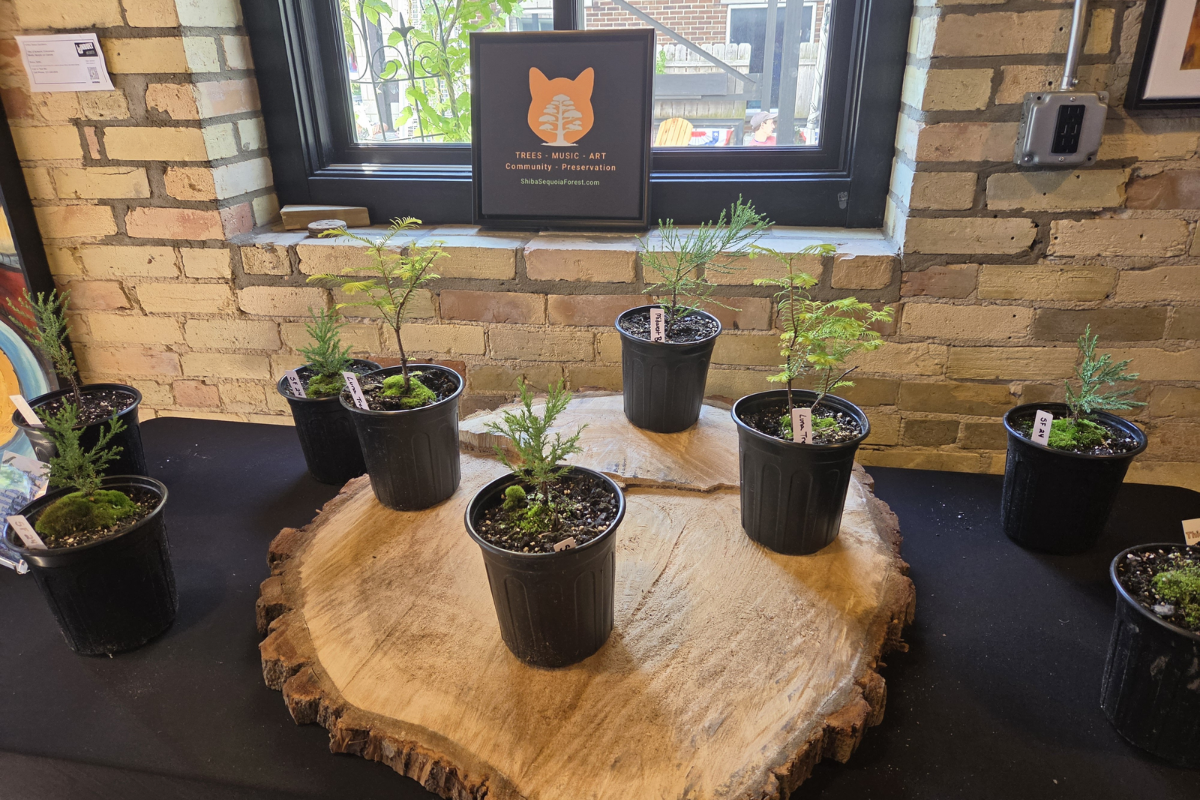
Field Notes
- Andrew Prater expands the Shiba Sequoia Forest initiative across Michigan and North Carolina, mobilizing the Shiba Inu community for reforestation
- The organization records over 1,400 trees planted, backed by a two-thousand-dollar Muskegon Community Foundation grant and local municipal partnerships
- The grassroots crypto project must secure permanent maintenance resources to guarantee long-term sapling survival rates across designated public parks
In October 2021, Andrew Prater traveled to California’s Sierra Nevada to see the Giant Sequoias he had admired for years. Wildfires had closed roads to the groves, preventing him from reaching the trees. From a mountainside, he could see the damage fire had left across the landscape.
The trip stayed with him after he returned to Michigan. Prater began developing an idea that connected his concern for the trees with the Shiba Inu cryptocurrency community, known as the ShibArmy. The result was Shiba Sequoia Forest, a project built around tree planting, environmental preservation and community activity.
Five years later, the initiative has expanded beyond Michigan, with work in North Carolina and partnerships involving volunteers, artists, musicians and local organizations. Its website reports more than 1,400 Sequoia trees planted, primarily in and around Muskegon, Michigan. That figure reflects the organization’s reported activity, while the trees’ long-term contribution will depend on their survival and continued care.
A Five-Year Effort Expands Beyond Michigan
Shiba Sequoia Forest combines planting projects with fundraising, music and art events. The organization presents those activities as ways to bring people together around environmental preservation and support work that extends beyond individual events.
In North Carolina, the project has worked with Trees Charlotte, a nonprofit focused on the city’s tree canopy. Its website describes planting activities, donations and a community effort involving the distribution of 600 trees and bags of mulch to residents. These initiatives give the project a local presence beyond its Michigan beginnings.
Related: SHIB Inflows Plunge 82% But 87.38 Trillion Tokens Remain on Exchanges
The North Carolina branch has also announced that it received federal 501(c)(3) tax-exempt status. Independent confirmation of the IRS determination was not available for this article, so the status remains an organizational announcement rather than an independently verified finding.
Charlotte Volunteers Return for a Third Year
On October 10, 2026, volunteers in Charlotte joined Trees Charlotte for a tree-planting event, according to project materials. It marked the group’s third consecutive year volunteering with the organization, extending a relationship with a local environmental partner.

Later that day, community members gathered at Sip City Charlotte for “Shiba Night Out.” The event included giveaways and conversation, while introducing attendees to the project’s tree-planting work and the connections between music, community and reforestation.
The two activities had different roles. Planting put volunteers to work alongside an established local organization; the evening gatheringOn October 10, 2026, volunteers in Charlotte joined Trees Charlotte for a tree-planting event, according to project materials. It marked the group’s third consecutive year volunteering with the organization, extending a relationship with a local environmental partner.
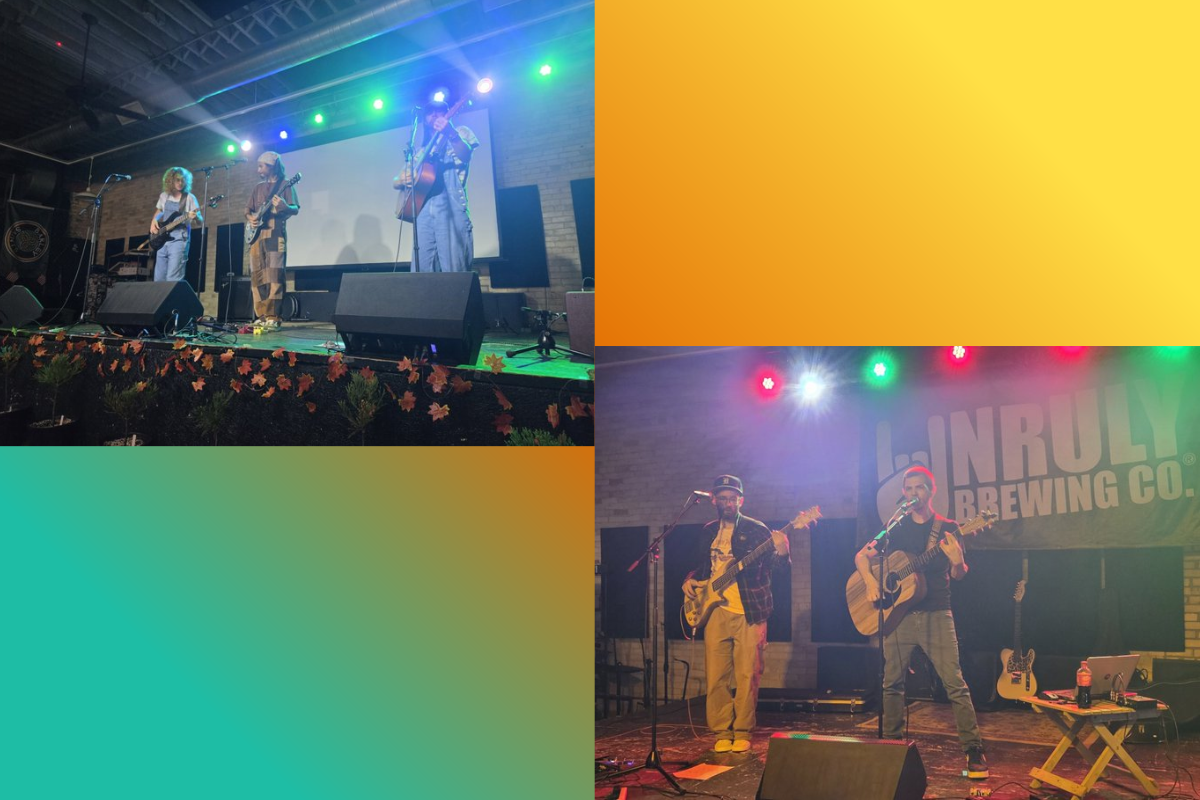
Muskegon Fundraiser Supports Local Tree Planting
In Muskegon, a Forest Fundraiser at Unruly Brewing Company brought together sponsors, musicians, artists and volunteers to support future planting. Project materials reported a $2,000 grant from the Muskegon Community Foundation, alongside roughly $1,000 raised at the fundraiser.
Related: X Replaces Creator Revenue Sharing With New Program That Pays for Original Content
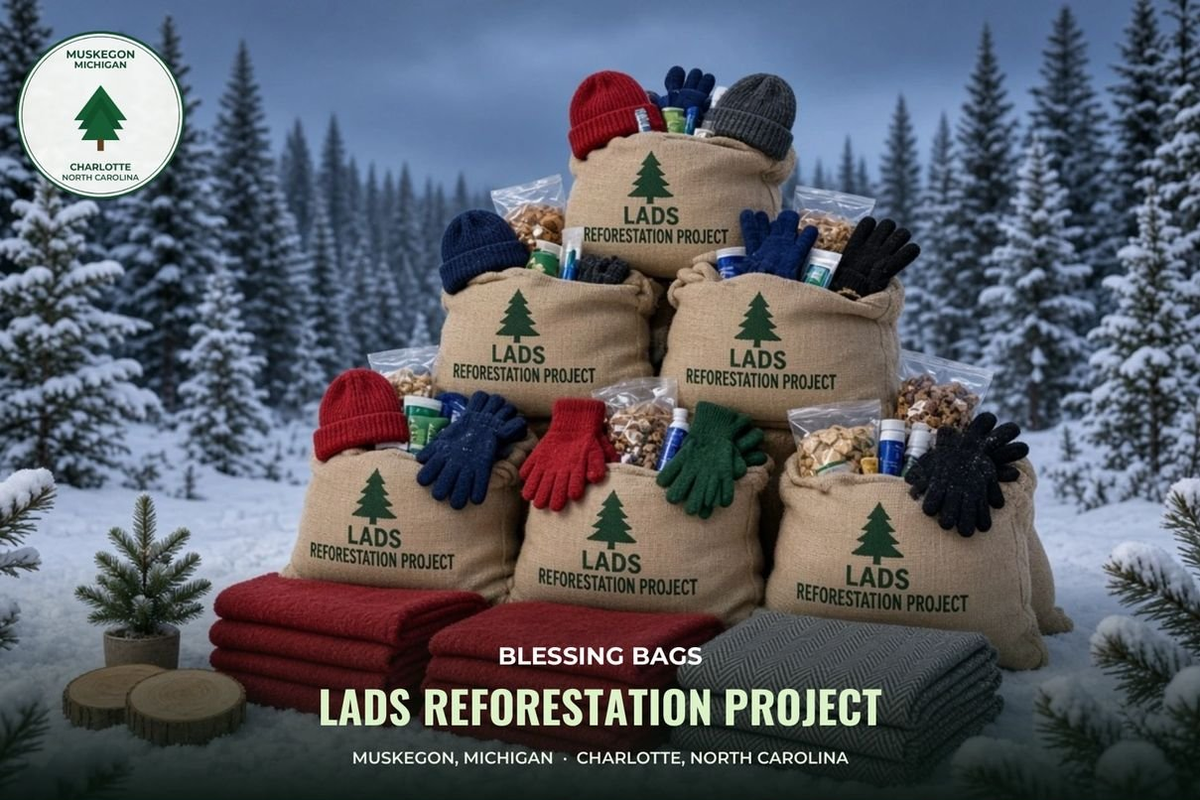
The funding supported the Lads Reforestation Project at Dune Harbor Park. On October 17, volunteers planted 112 trees at the park. Organizers had invited members of the public to gather at the Seminole entrance at 10 a.m., with tools and gloves provided. Musicians and bands were also expected to participate by planting trees.
The planting turned the fundraising effort into a completed project at a defined site. The event added a concrete result to the group's local work, while the trees' longer-term contribution will depend on how well they establish themselves and how they are maintained.
https://twitter.com/LADS_STFT/status/2111987314301800873?s=20
The Work Continues After Planting Day
Shiba Sequoia Forest began with Prater’s encounter with a landscape marked by wildfire damage. Since then, it has developed through planting initiatives, fundraising and partnerships in Michigan and North Carolina. Its reported tree total offers one measure of that activity, but the number alone cannot establish the long-term environmental impact.
The next test is what happens after volunteers leave a planting site. Trees need suitable conditions and continued care to survive, and documenting that progress would give the organization a clearer measure of its work over time.
Five years after Prater began turning his concern for Sequoias into a community project, Shiba Sequoia Forest has established activities in more than one state. Its continued progress will depend on maintaining local partnerships, securing resources and keeping volunteers involved beyond the day each tree goes into the ground.